Why Tonal Layering is Replacing High Contrast Exterior Designs
High contrast exteriors had a long run in San Francisco. Black trim on white siding looked sharp on Instagram and on a few streets in the Marina District. Yet the city’s light, fog, and salt air do not flatter harsh shifts in value across a facade. Tonal layering has moved in because it calms the street view, hides weathering, and suits Victorian, Edwardian, and mid‑century forms that dominate San Francisco. The shift is not only about style. It is about building physics, maintenance cycles, and compliance with San Francisco Department of Building Inspection rules. It is also about resale appeal in zip codes that live with fog banks and marine winds ten months a year.
For homeowners comparing siding contractors San Francisco wide, this change in exterior color strategy connects to siding installation, exterior waterproofing, window replacement, and custom trim work. Best Exteriors applies tonal systems with materials that resist salt air and trapped moisture. The approach uses Hardie HZ10 fiber cement in The Sunset and Richmond District, cedar shingles with breathable assemblies in Noe Valley and Haight‑Ashbury, and engineered wood in Potrero Hill where slope and wind shear punish weak details. The result is a facade that looks soft to the eye but is tough in the field.
What tonal layering means, in practical terms
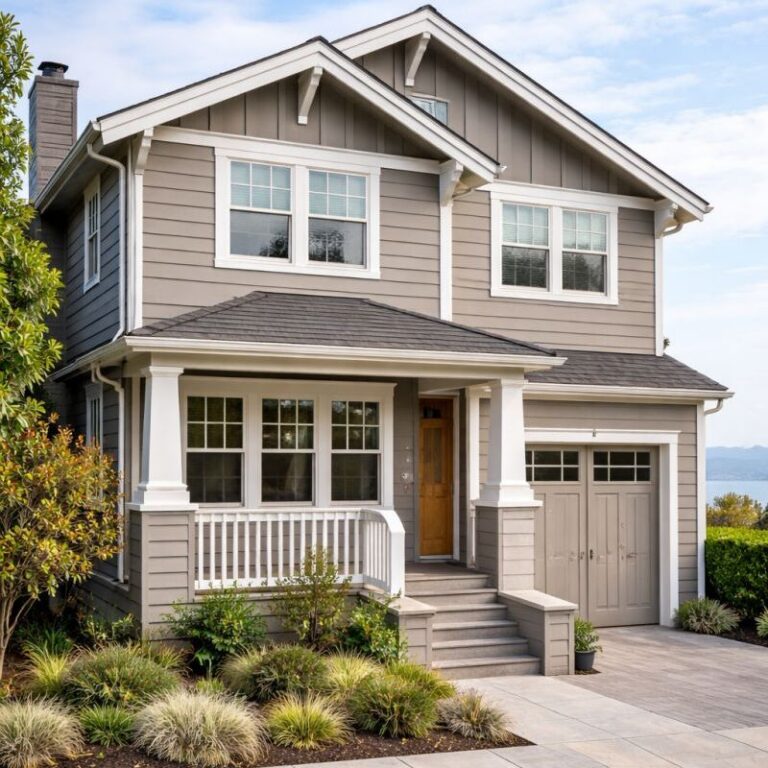
Tonal layering builds a family of near‑neighbor colors across body, trim, and accent. The main siding holds a mid value. The trim shifts up or down one step. The accent, such as a door or a shallow bay, shifts one more step. There is contrast, but it sits inside a tight band. On San Francisco blocks, that band keeps glare down under fog and keeps streaking less visible under winter rains. It also reduces thermal load on the wall assembly, which helps Title 24 energy performance when paired with insulated siding or new windows.
High contrast schemes can look stark on a Victorian with lots of millwork. Dark trim heats up, bakes paint, and reveals every nail hole and caulk line. In Pacific Heights, that becomes a repaint every 3 to 5 years. Tonal systems last longer because differential movement is less visible and coatings age in sync. That means fewer service calls for peeling paint and fewer homeowner headaches with spot priming between storms.
San Francisco light, fog, and salt air change the rules
The Northern California Coast throws three problems at exteriors: diffuse light, salt‑laden moisture, and daily temperature swing. Diffuse light flattens sharp color edges and makes high contrast look cheap from a distance. Salt air accelerates oxidation on metal trim and corrodes fasteners if the assembly is not sealed. Temperature swings expand and contract trim, which opens joints in paint films and sealant lines.
Tonal layering offsets these problems. It keeps expansion gaps less visible on lap siding. It mutes efflorescence on stucco repair zones. It hides minor UV fade on south and west faces in the 94121 and 94122 zip codes near Ocean Beach. It also supports a clean window line in wind corridors like 18th Street over Potrero Hill. The city’s microclimates reward subtlety and punish gimmicks.
Materials that support tonal systems and resist Bay weather
Siding selection matters more than the paint deck. In San Francisco, a tonal scheme performs best when backed by moisture‑smart materials and assemblies:
Fiber Cement Siding (James Hardie) with HZ10 climate technology stays stable under salt spray and fog drip. Best Exteriors uses rainscreen details with 3 to 6 millimeter gaps, stainless or polymer‑coated fasteners, and back‑primed trim. That assembly lowers risk of moisture infiltration and dry rot in the sheathing. It also presents a smooth plane that receives satin and low‑sheen coatings well, which is key for layered tones.
Cedar Shingles on upper gables or full clads in Haight‑Ashbury or Noe Valley read warm and classic. Grade‑A cedar with a breathable underlayment and vented starter course releases trapped moisture. It pairs well with muted trim grays and soft whites that blend instead of shout. Custom trim work with drip edges and kerfs breaks capillary action that drives water into end grain.
Stucco is common across the Richmond District and The Sunset. New stucco or facade restoration should include a rainscreen stucco mat, weep screeds, and proper control joints to stop cracking stucco. A tonal body with one‑step‑lighter parapet and window trim sets depth without fighting the monolithic surface. Acrylic finish coats resist staining and hold color longer under coastal UV.
Vinyl Siding (Insulated) is less common inside San Francisco proper but appears on single‑family homes in 94112 and 94124. Insulated vinyl reduces thermal bridging and helps with high energy bills. It also damps street noise. In fog zones, lighter tonal palettes on vinyl avoid heat warping and keep expansion lines less obvious.
Engineered Wood (LP SmartSide) works well in mixed‑use corridors like 94107. It resists termite damage and handles impact from urban wear. Smooth profiles take layered color in a refined way. Proper joint flashing and sealants keep the envelope tight.
Aluminum and Steel Siding are niche in San Francisco but useful on rear elevations, ADUs, and light commercial near the Mission District. Coil‑coated finishes now offer soft grays and coastal greens that layer well. A thermal break behind the panel set reduces condensation risk in the morning fog.
Color science under fog and UV
San Francisco’s coastal haze scatters blue light. That pushes neutrals cooler and makes stark whites glare. Tonal layering corrects by stepping values in tight increments and by adding warmth back into grays, sages, and off‑whites. On the west side near Golden Gate Park, a 10 to 12 point Light Reflectance Value spread between body and trim looks balanced. On bright east slopes in Noe Valley, a 12 to 15 point spread reads clean without looking harsh.
Field teams see fade rates slow by one to two repaint years when dark trim is avoided in direct sun. Warm mid grays on body, a lighter gray on trim, and a deeper door color build a calm hierarchy. That hierarchy respects the massing of San Francisco row homes where shadow lines from bays and cornices already add visual movement.
Historic San Francisco facades need subtlety, not contrast wars
Victorian and Edwardian facades in Pacific Heights and Haight‑Ashbury carry ornate brackets, crown profiles, and corbels. High contrast paints turn those details into visual noise. Tonal sets show depth without breaking the composition. A cedar shingle gable with a body color at value 55, trim at 65, and window sash at 40 keeps period character visible from curb distance across steep streets.
For historic preservation commission review, tonal plans also pass easier. They reduce perceived alteration even when materials change under the paint film. Custom‑milled siding and matching reveal profiles matter more than a black‑on‑white trend that dates fast. Best Exteriors sources knife profiles to match old growth patterns and ties new fiber cement or engineered wood to original lines. That lets the home meet 2026 DBI permit compliance and keep its story intact.
Engineering the wall: waterproofing before paint and color
Style fails if the wall leaks. Exterior waterproofing starts with a whole‑house envelope review. Crews probe suspect sills, rim joists, and window pans. Infrared and moisture meters confirm hidden wet zones. In San Francisco, dry rot often starts where old windows lack head flashings or where deck ledgers cut into the weather plane. Once rot shows, removal must reach sound fiber before new siding installation or siding repair begins.
Best Exteriors opens damaged sections, removes dry rot, treats cut edges, and stitches framing with approved fasteners. New sheathing receives self‑adhered flashing at penetrations. Layered WRB and rain screen battens set the drain plane. Only then does siding go back on. This process stops moisture infiltration and reduces the risk of peeling paint and cracking stucco later.
Window replacement supports the tonal story and the energy code
Windows cut the wall visually and thermally. If the glass is hazed or the frames are failing, even the best paint plan looks tired. Milgard fiberglass and vinyl lines offer slim profiles with low U‑Factor and tuned SHGC that work under San Francisco’s Title 24 targets. In the Sunset and Richmond, lower SHGC on west‑facing windows keeps afternoon rooms cooler. In the Mission District, balanced SHGC with higher visible transmittance preserves natural light on narrow lots.
New windows allow a tighter trim value band. Soft white on the interior stool and a near‑neighbor exterior trim match the body. That pairing removes the black box look and blends under the fog glare. Proper pan flashing, head flashing with end dams, and sealed flanges tie windows into the WRB. That blocks wind‑driven rain from Highway 1 or the Great Highway storms. The result is a continuous envelope that works with siding, not against it.
Why San Francisco homeowners are moving away from high contrast
Three reasons come up during site walks. First, maintenance cycles drop when the facade does not highlight every seam. Second, resale in 94123, 94121, and 94122 shows higher buyer comfort with calm, coastal palettes. Third, historic review boards prefer schemes that respect original massing. Trends travel fast on social feeds, but fog and salt air make short work of fads. Tonal systems look current without dating hard.
Real job examples from the 7x7
A Pacific Heights Edwardian on a sloped block near 94123 had peeling paint and failing trim miter joints. The team removed decayed crown returns, performed dry rot removal on two window bays, and installed James Hardie HZ10 lap siding on the alley exposure. A layered color plan used a warm gray body, a lighter trim, and a deeper door. The facade calmed down, and repaint intervals extended from a projected five years to seven or eight based on coating type and exposure.
In the Richmond District near 94121, a stucco duplex showed cracking stucco at control joints and water intrusion at a garage entry. Crews added a rainscreen mat, reset weep screeds, and restored the facade with acrylic finish. The color set used a mid‑tone sand body and a slightly lighter parapet cap. The building reads cleaner from Geary Boulevard, and salt stains do not pop like they did under the old high contrast trim.
A Sunset home in 94122 replaced single‑pane sliders with Milgard fiberglass casements. LP SmartSide panel with batten accents refreshed the upper story. The tonal scheme used soft coastal greens. Energy bills dropped 8 to 12 percent based on a 12‑month utility trend. Street noise fell enough that the owner reported better sleep during weekend traffic surges.
Choosing materials by microclimate and street condition
San Francisco blocks vary in wind, fog, and sun by a few hundred feet. Material choice and color band should match that. West‑facing Ocean Beach streets punish paint and reveal dirty drips. A tighter tonal band hides streaks and pairs well with fiber cement and acrylic coatings. Eastern slopes in Noe Valley collect sun and show lap joint shadows. Engineered wood with crisp edges and two‑step tone shifts looks refined there. In the Marina, salt and oxidation push toward corrosion‑resistant trims and stainless fasteners. A light neutral body and a soft, slightly darker trim hold up under UV bounce from the Bay.
Potrero Hill and the Mission District see heat and wind shear. Heavier gauge metal flashings and capillary breaks at every horizontal help. A subdued palette shows less scuffing from street dust. Haight‑Ashbury and Alamo Square sit under historic scrutiny. Cedar shingles and custom trim work with period‑correct reveals pass review more easily. Layered neutrals let brackets and corbels speak without loud outlines.
How siding contractors support better tonal outcomes
A good color plan fails without tight seams and smart flashing. Siding contractors San Francisco homeowners trust front‑load the envelope conversation. They run full exterior envelope inspections, check window pans, and probe sills for hidden wet pockets. They recommend Hardie HZ10 or LP SmartSide on fog‑heavy blocks and design shingle or stucco assemblies with vent paths. They coordinate with paint crews on sheen selection because high sheen looks too bright under fog and low sheen can chalk in heavy salt air. The right middle ground keeps a layered palette honest.
Best Exteriors holds James Hardie Elite Preferred status and works with CertainTeed and LP SmartSide. The team integrates Milgard windows, Owens Corning weather‑resistive layers, and code‑compliant flashings. Work proceeds under EPA Lead‑Safe Certified practices on pre‑1978 homes. That protects occupants and aligns with 2026 DBI permit compliance. Diamond Certified and BBB A+ ratings reinforce the trust side for owners who want a clean handoff and fewer surprises.
Common exterior problems that tonal layering helps hide, but never ignore
Peeling paint, cracking stucco, and caulk failure often show up first around dark trim and high contrast edges. Tonal systems do hide minor flaws, but the root cause needs repair. Moisture infiltration from bad kickout flashings or clogged gutters drives dry rot. Termite damage tracks along wet sills and mud tubes. High energy bills point to weak insulation at walls and around old windows. The repair path is simple: fix the envelope, then apply the color band.
On most San Francisco homes, minor dry rot removal and targeted siding repair take two to five days, depending on access and weather. Full siding installation with rainscreen and trim can run two to four weeks on a standard two‑story. Historic facade restoration with custom‑milled trim adds lead‑safe containment and slows the pace. Clear sequencing keeps neighbors happy in tight lot lines, which matters in the Marina District and Noe Valley.
Permits, inspections, and why they link to paint and color choices
The DBI process in San Francisco rewards clear scopes. In‑kind siding replacement and window swaps often qualify for online portal applications. Historic zones may need extra review. A tonal plan helps show reviewers that massing and character remain intact. It also tells neighbors the project respects the block. Best Exteriors manages permitting, coordinates inspections, and documents product lines for warranty and DBI files.
Title 24 drives window U‑Factor and SHGC targets. Insulated siding and proper WRB help reach those numbers. That affects comfort and cost in 94102, 94107, 94110, 94112, 94114, 94117, 94121, 94122, 94123, and 94124. With a stable envelope, a tonal palette stays true longer. The total project reads as one plan, not patchwork.
Why this trend supports long‑term value
Appraisers and buyers do not award points for viral paint jobs. They look for durable assemblies and quiet curb appeal. Tonal layering matches both. A calm exterior makes small lots look larger. It connects row homes into a consistent streetscape. It reduces the visual jump at party walls common in the Mission District and Potrero Hill. It sits well with mature street trees in the Richmond and soft Bay light in the Marina.
Technical color and coating notes the crews rely on
Crews measure reflectance, not just swatches. In fog zones, a body color LRV between 35 and 55 works well. Trim sits 10 to 15 points off the body. Doors drop 15 to 25 points darker if a statement is wanted. Sheen is crucial. Satin on lap siding, flat on shingles, and semi‑gloss on doors give an even read without glare. On Hardie HZ10, factory‑applied coatings with light‑stable pigments hold up to salt air better than site‑mixed deep bases.
Fasteners must match the assembly. Stainless ring‑shanks near Ocean Beach. Polymer‑coated in inland zones. Flashings need end dams and slope. Kickouts at roof‑to‑wall transitions stop water trails that stain paint even under a careful palette. Caulks must be high‑movement, paintable, and color stable. The crew tests bead lines on offcuts to confirm cure under San Francisco humidity. That extra step saves callbacks.
Service coverage with local nuance
Best Exteriors serves all 7 by 7 miles and the San Francisco Bay Area edge communities. Pacific Heights, Marina District, and Cow Hollow projects often need discrete staging and historic trim work. The Sunset and Richmond Districts call for Hardie HZ10 rainscreens and calm coastal palettes. Noe Valley and Glen Park lean on window upgrades with Milgard and LP SmartSide accents. Potrero Hill and Dogpatch need slope‑smart scaffolding and impact‑resistant assemblies. Haight‑Ashbury and Alamo Square rely on custom‑milled siding, cedar shingles, and color sets that respect period details.
How Best Exteriors aligns with trust and warranty signals
Homeowners choose service partners based on results and proof. Best Exteriors maintains Diamond Certified status, BBB A+ Rating, and GuildQuality reviews that cover projects from small siding repair to full facade restoration. The company is EPA Lead‑Safe Certified and participates in NARI standards. Manufacturer alignment includes James Hardie Elite Preferred, CertainTeed, LP SmartSide, Milgard, and Owens Corning. Installations include warranty‑backed craftsmanship and package options with lifetime material warranties and multi‑year workmanship guarantees. Financing is available on qualifying projects and presented with transparent terms.
Siding and window scopes that fit the tonal approach
Many homes do not need full replacement to land a strong tonal result. Targeted scopes work well. Replace upper story siding on the windward face and refresh the trim around new Milgard units. Restore the street facade with cedar shingles under a vented starter and run Hardie lap on the sides where budget drives the decision. Tighten penetrations with new flashings and correct kickouts. Repaint with a three‑step tonal plan. This method contains cost while protecting the structure.
Quick field checks a homeowner can do before calling
- Look for peeling paint or soft wood at lower corners of window trim.
- Check the bottom course of siding for stains or swelling after rain.
- Scan stucco cracks near control joints and at deck ledgers.
- Compare energy bills year over year across peak fog months.
- Step back across the street and assess glare and shadow balance on the facade.
Why siding contractors in San Francisco benefit from tonal exterior plans
Installers can hide tolerances better under a tonal plan. Caulked joints, scarf joints, and inside corners do not pull the eye. That means the crew can focus on alignment, water management, and fastener placement instead of chasing a razor‑thin paint edge at black trim lines. Homeowners get a cleaner final product that lasts and reads premium without loud tricks.
How the permitting timeline maps to color and materials
Permit submittals for in‑kind siding and window replacement can clear within days through the DBI online portal, especially outside historic overlays. Full facade restoration or scope shifts on primary elevations can take longer. Presenting a calm tonal palette with material specs from James Hardie HZ10, LP SmartSide, and Milgard frames the review as stewardship, not trend chasing. Inspectors see proper WRB, flashing, and rainscreen details and close out cleanly. That saves time and keeps projects on track through fog season.
Cost signals and how tonal choices affect budget
Color itself does not change labor much, but the system around it does. Dark trim coatings often need more coats and show lap marks. Tonal sets with mid values and satin or low sheen cover fast and touch up well. Rainscreen assemblies add small costs up front and cut big costs later by venting walls and preserving coatings. On a typical two‑story, rainscreen and proper flashing can add 5 to 10 percent but cut future repair risk far more. Window replacement pays back through comfort, noise control, and lower bills. Pairing scopes keeps staging and permit fees efficient.
Entity‑grounded service scope across the city’s fabric
Best Exteriors handles siding installation, siding repair, exterior waterproofing, dry rot removal, facade restoration, and custom trim work. The company delivers fiber cement siding, cedar shingles, stucco systems with rainscreen, insulated vinyl siding, engineered wood through LP SmartSide, and select aluminum or steel panels on urban edges. Problems solved include dry rot, termite damage, moisture infiltration, peeling paint, cracking stucco, and high energy bills from poor insulation or leaky windows.
Local references that matter for Google Map Pack signals
Projects span Pacific Heights view streets above Fillmore, fog belts flanking Golden Gate Park in 94121 and 94122, flats near Valencia in the Mission District, and the sunny ridge of Noe Valley in 94114. Work also includes Potrero Hill’s wind‑exposed blocks in 94107 and Marina District lanes in 94123 with tight lot lines. Service windows match neighborhood noise rules, and crews maintain clean work zones with debris control that keeps sidewalks open. Digital, line‑item estimates outline materials, labor, staging, and permit fees so owners can approve scopes fast.
Tonal layering and brand alignment
Product platforms back the palette. James Hardie HZ10 lap, panel, and trim support consistent sheen and color stability. CertainTeed and LP SmartSide widen profile options for bay windows and shallow parapets. Milgard frames keep muntin lines slim so the color band reads as a whole. Owens Corning wraps and flashings add a durable water barrier. Standards sit on top of that foundation: Diamond Certified, BBB A+ Rating, EPA Lead‑Safe Certified, GuildQuality rated, and NARI participation. Homeowners get clear warranty paths with coverage through 2026 packages and beyond.
A last word on style, restraint, and the San Francisco street
The city’s best blocks look edited. Tonal layering fits that standard. It respects form, sheds weather, and stretches maintenance dollars. It helps siding contractors deliver tight envelopes and helps homeowners enjoy a quiet, modern curb view. High contrast is not wrong, but it is fragile here. Calm bands of color let the architecture breathe and the engineering work in peace.
Ready for a site visit and a tonal plan that fits your block?
Best Exteriors provides free estimates, performance guaranteed work, and financing options for qualified projects. The team manages DBI permits, aligns with historic review needs, and delivers warranty‑backed craftsmanship. Service covers San Francisco’s 94102, 94107, 94110, 94112, 94114, 94117, 94121, 94122, 94123, and 94124. Call for a walk‑through or request a digital quote with photos. Expect a clear scope that ties siding installation, window replacement, waterproofing, and a tonal color set into one plan.
Signals for action:
• Request your free siding estimate with a same‑week site review.
• Ask for a James Hardie HZ10 and LP SmartSide comparison for your microclimate.
• See proof of Diamond Certified status, BBB A+ Rating, EPA Lead‑Safe, and NARI.
Best Exteriors stands as a San Francisco specialist with a calm, technical approach. For homeowners searching siding contractors San Francisco or comparing siding contractors across the Bay Area, this team pairs engineering with street‑wise design. The outcome looks right in fog, wind, and bright winter light. It also lasts.
https://westus1.blob.core.windows.net/best-exteriors/san-francisco/fog-resistant-siding.html